The Wall Street Journal reported that the International Energy Agency proposed releasing the largest-ever amount of oil reserves in an effort by governments to curb the soaring energy prices caused by the war in the Middle East.
According to the report, citing informed officials, the proposed release plan circulated at the emergency meeting of energy officials on Tuesday would exceed the 182 million barrels of crude oil released by member countries in two batches after Russia’s invasion of Ukraine in 2022. This would be the largest single release to date.
Influenced by the report, the global benchmark Brent crude oil rose by nearly 4% in the early trading session, but later dropped back to around $88 per barrel.
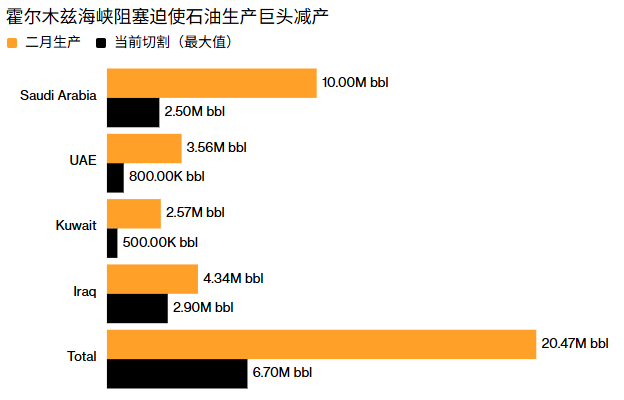
The war has been escalating, and the Strait of Hormuz has almost been completely closed, causing the oil-producing countries in the Persian Gulf to cut production. So far, this has reduced global oil output by approximately 6%, leading to a surge in the prices of all commodities, from aviation fuel to cooking gas, worldwide.
Millions of barrels of crude oil and fuel are stranded on oil tankers that cannot pass through the narrow strait, where ship attacks have occurred. Signal interference has made navigation in the area even more difficult and dangerous.
The Group of Seven earlier this week asked the International Energy Agency to draw up a plan for the emergency release of oil reserves. French Finance Minister Roland Le Gallur told reporters on Tuesday that the countries want to be prepared to use their oil reserves if necessary and have asked the International Energy Agency to study the possible amount of oil to be released.
An official at the Paris office of the International Energy Agency did not immediately respond to a request for comment outside of working hours.
However, if any country raises objections, the proposal may be postponed. The Wall Street Journal said that countries are expected to make a decision on the proposal on Wednesday.
According to the International Energy Agency, which is responsible for coordinating the release of inventories, its 32 member countries collectively hold at least 1.2 billion barrels of oil in emergency public reserves.
This Paris-based institution has already helped implement five such intervention operations: on the eve of the first Gulf War, after Hurricanes Rita and Katrina in 2005, after the outbreak of the Libyan civil war in 2011, and twice in 2022 to deal with the chaos related to the war in Ukraine.
Previous releases of strategic reserves have not always achieved the expected results. The two releases in 2022 initially led to an increase in oil prices as the market interpreted them as a signal that the crisis was more severe than expected, but ultimately helped bring oil prices down.


