Citi’s U.S. foreign exchange trading desk expects that although carry-trade strategies may struggle to replicate a period of significant returns, they will continue to offer opportunities for investors.
Fouad Mufdi, the bank’s head of Americas foreign exchange trading, said the strategy of borrowing in low-yielding currencies to invest in higher-yielding regions will continue to benefit from high interest rates in emerging markets. At the same time, he expects the dollar to weaken slightly after Federal Reserve officials decided last week not to raise rates.
Citi remains bullish on the Colombian peso, Brazilian real and Argentine peso against the dollar. But he said the strategy is unlikely to match the strong returns seen in recent years.
“I still believe in carry strategies,” Mufdi said in an interview at Citi’s global headquarters in New York. “But would I put all my risk on this strategy today? No, I don’t think so.”
Citi’s fixed income, foreign exchange and commodities trading division reported its best third-quarter results in at least a decade, with revenue of $4.4 billion, as strong foreign exchange trading offset weakness in interest-rate trading.
According to statistics, year to date, carry-trade strategies that have been long the Colombian peso and short the dollar have generated returns of about 26%. Similar carry-trade strategies involving the Argentine peso and Brazilian real have returned more than 14% and about 8.5%, respectively.
However, the possibility of further rate hikes in some countries could narrow the gap between low-yielding and high-yielding currencies, reducing the returns from carry trades. Mufdi noted that persistent inflation in the United States could lead to more dramatic changes in the outlook for U.S. interest rates.
Despite market volatility triggered by the re-election of Brazilian President Luiz Inácio Lula da Silva, Mufdi believes Brazil remains one of the markets with growth potential. He said that with local interest rates at around 15%, investors can still earn substantial returns even if the real’s exchange rate remains stable.
He also said market participants are becoming more discerning. Mexico is one of the regions where Citi has observed investors “pulling back.”
“Given the amount of noise in the market right now, investors need to pay close attention to the specific factors in local markets rather than treating it as a one-and-done trade.”
Related News
Wednesday, November 4, 2026 - 06:25
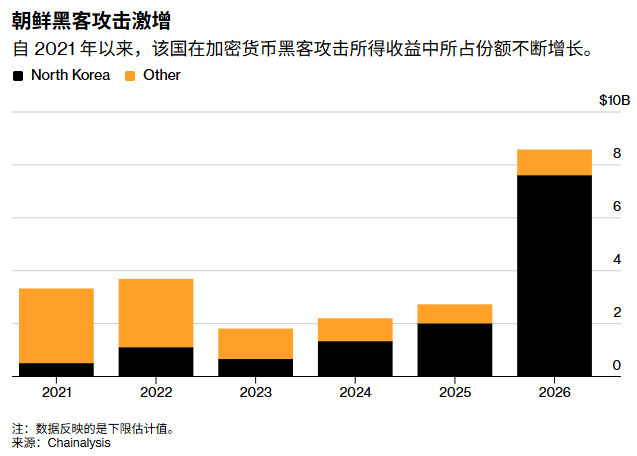
Binance Investigation: North Korean Hackers Planned and Executed $6.3 Billion Digital Currency Theft
Monday, November 2, 2026 - 06:00
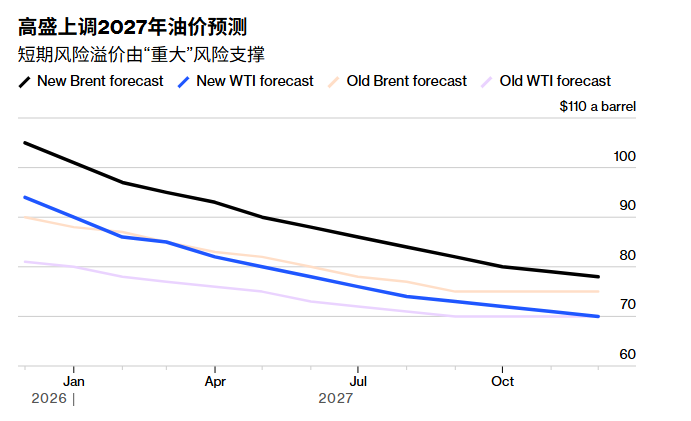
Goldman Sachs Raises 2027 Oil Price Forecast
Friday, October 30, 2026 - 05:46