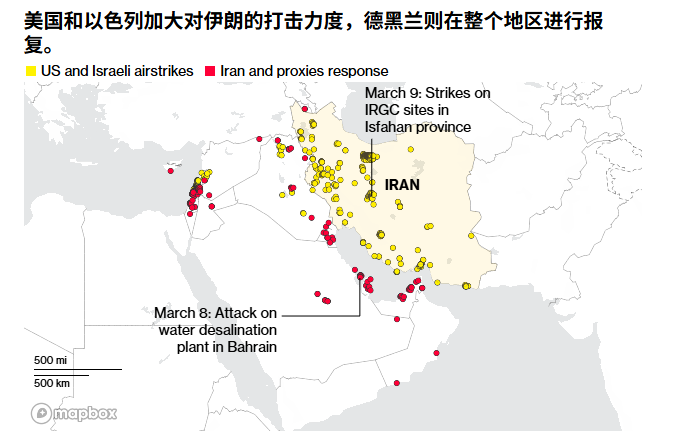
Senior strategist Ed Yardeni updated his outlook for the current “era of rapid change”, saying that as the escalation of the Iran war impacts global markets, the risk of a major sell-off in the US stock market this year is growing.
Adeney has raised the probability of a market crash in the remainder of this year from 20% to 35%. At the same time, he has significantly lowered the probability of a market rally (that is, an upturn driven by investor enthusiasm rather than fundamentals) from 20% to 5%.
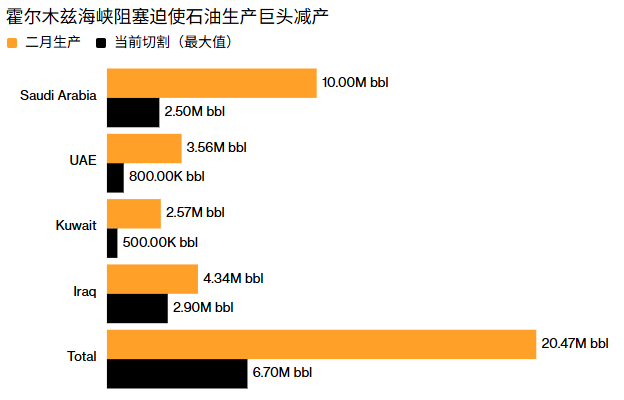
As oil prices soar above $100 a barrel, investors are bracing for possible prolonged conflicts in the Middle East, which could further drive up energy costs and bring about these weight adjustments. Market expectations for the Federal Reserve to cut interest rates have been scaled back as investors gradually accept the prospect of slower economic growth and rising inflation coming at the same time.
The U.S. economy and stock market are currently in a dilemma, and so is the Federal Reserve, Yardeni wrote in a report. If the oil crisis persists, the Fed’s dual mandate will be in a bind: on the one hand, the risk of rising inflation, and on the other, the rising unemployment rate.
The US dollar has become the preferred safe-haven asset, with the Bloomberg Dollar Spot Index rising nearly 2% since the outbreak of the war. In early Asian trading on Monday, S&P 500 futures fell 1.6%, indicating new pressure on the stock market. Meanwhile, hedge funds have increased their short positions in US stocks. The benchmark 10-year US Treasury yield rose 6 basis points, as traders have pushed up inflation expectations.
Investors have pushed back their expectations for the next interest rate cut by the Federal Reserve (25 basis points each time) to September. At the end of February, before the war broke out, traders had fully expected the Fed to cut rates in July. Some bond options traders are now betting that the Fed may not cut rates at all this year.
Adeney has accurately predicted market trends in the past. Last December, the strategist advised investors to reduce their holdings of the so-called “Big Seven” tech stocks by a negative proportion compared to other stocks in the S&P 500 index.
His basic forecast remains valid. The scenario of a “Roaring 2020s”, in which the US economy will enjoy a decade of strong and sustainable growth driven by rapid productivity gains, still has a 60% probability of materializing by the end of this year.
The outlook for the next decade is more optimistic. Yardeni believes that there is an 85% probability that the prosperous scene of the 2020s will continue. At the same time, he also believes that the possibility of an economic “stagflation like that of the 1970s” is 15%.