Venezuela’s oil has long been a core element in the United States’ actions against strongman Nicolás Maduro over the years. Successive US administrations have used the country’s vital oil exports as a lever to pressure Caracas, first imposing oil sanctions in 2019 and more recently partially blocking oil tankers ahead of US air strikes and the capture of Maduro.
Venezuela is no longer the oil production powerhouse it once was. But its abundant oil reserves are crucial for rebuilding its battered economy.
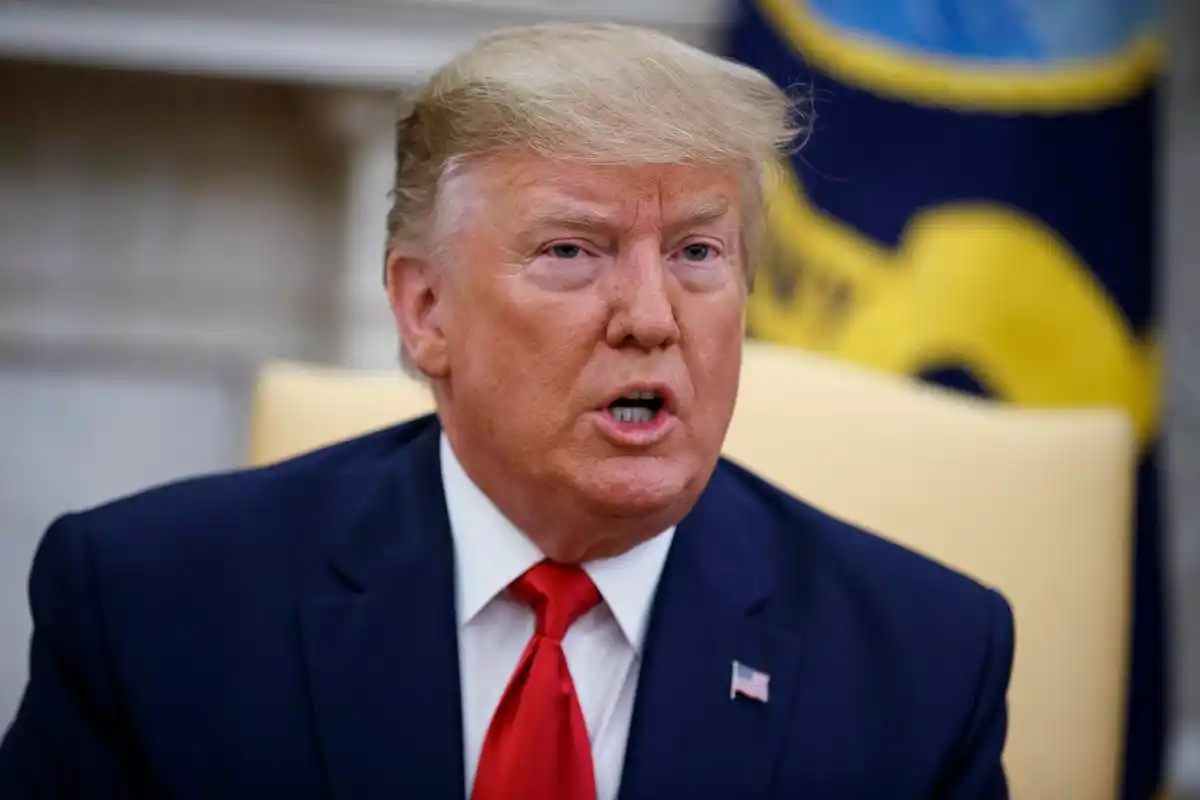
Early in the morning of January 3rd, the United States arrested the leader of Venezuela and his wife Cilia Flores. President Donald Trump then claimed that the United States would “take over” Venezuela until the transition of power was completed, but it is still unclear how the United States would take control. The president also said that the United States would “rebuild” Venezuela’s oil industry.
Realizing the Venezuela oil industry revival plan proposed by President Donald Trump, which is led by the United States, may be a long and challenging process, and the cost could be as high as 100 billion US dollars.
Years of corruption, underinvestment, fires and theft have left Venezuela’s crude oil infrastructure in a state of disrepair.
Francisco Monaldi, director of Latin American energy policy at Rice University’s Baker Institute for Public Policy, said that to rebuild the infrastructure and restore Venezuela’s crude oil production to its peak level in the 1970s, companies including Chevron, ExxonMobil and ConocoPhillips would need to invest about $10 billion annually over the next decade.
Venezuela has the world’s largest oil reserves. However, during the 12 years of President Nicolás Maduro’s rule, oil production has dropped significantly. Maduro was captured by the US military early Saturday morning. The country’s current daily output is approximately 1 million barrels, compared to nearly 4 million barrels in 1974.
U.S. Secretary of State Marco Rubio said in an interview with ABC on Sunday that he expects U.S. oil companies to be eager for the opportunity to extract Venezuela’s heavy crude oil, which is crucial for refineries along the U.S. Gulf Coast.
“I haven’t been in touch with the American oil companies in the past few days, but we are very certain that they will show great interest,” Rubio said. “I think that if given enough space, private enterprises will generate huge demand and interest.”
But according to Lino Carrillo, a former manager of Petroleos de Venezuela SA, all companies hope to ensure the stability of the situation in Venezuela before setting foot there. Carrillo himself fled Venezuela more than two decades ago.
In an interview, Carrillo said, “For any oil company to truly and seriously invest in Venezuela, a new congress or national assembly must first be established. But that’s not the case now. It’s absolutely impossible.”
Meanwhile, the amount of work required to repair the country’s infrastructure is huge.
The oil port facilities in Venezuela are in such a poor condition that it takes super tankers transporting crude oil to China as long as five days to be fully loaded. Seven years ago, this only took one day.
In the vast Orinoco Basin in the interior of Venezuela, it is estimated that there are nearly 500 billion barrels of recoverable oil. However, the drilling platforms here have been abandoned, and oil spills are left unmonitored. Even in broad daylight, the drilling platforms are looted, with parts being sold on the black market.
The country’s vast underground oil pipeline network is notorious for severe leaks and is sometimes even stolen by state-owned oil companies and sold as scrap metal. Fires and explosions have also destroyed many facilities.
The huge Paraguaná refinery, located on the northwest coast of Caracas, can only operate intermittently at a low speed due to equipment failure. Some of the four crude oil upgrading units at the refinery have been shut down. These units, which were once the most advanced facilities in the world, were responsible for pre-treating the country’s tar-like crude oil into raw materials suitable for the refinery.
Venezuela’s remaining oil production is heavily dependent on Chevron, the only major US oil company still operating in the country. The Houston-based company accounts for about 25% of Venezuela’s oil output and holds special licenses that allow it to continue operating there without being subject to US sanctions.
Analysts say that given their scale and experience, the two US companies best suited to help Venezuela rebuild are ExxonMobil and ConocoPhillips. Both of these companies had previously operated in Venezuela but left the country in the mid-2000s after the assets of the late Hugo Chávez, Maduro’s predecessor, were nationalized.
ExxonMobil and ConocoPhillips did not respond to requests for comment. ExxonMobil had previously said it would consider investing in Venezuela, but only if the conditions were right.
Chevron said in a statement that the company is focused on ensuring the safety and well-being of its employees and maintaining the integrity of its assets in Venezuela. “We will continue to conduct business in full compliance with all relevant laws and regulations,” the company said.
Another major challenge for enterprises investing in Venezuela’s oil production is the global oversupply of oil, with oil prices hovering near their lowest point in five years. Meanwhile, many companies are still burdened with billions of dollars in outstanding loans and compensation after their assets were seized during the Chavez administration.
Kevin Book, managing director of ClearView Energy Partners in Washington, said that if the price and risk premium are right, oil companies may still be lured back.
“To deal with such huge uncertainties, you need favorable terms,” Book said in an interview. “Those companies that have the ability to profitably extract resources in Venezuela are unlikely to ignore such a huge reserve opportunity if they see signs of relative stability and can obtain favorable contract terms.”